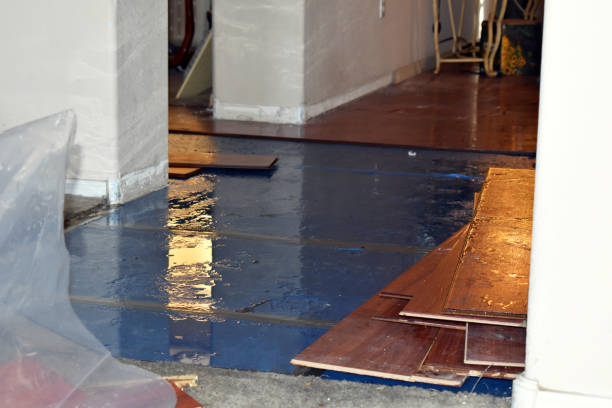
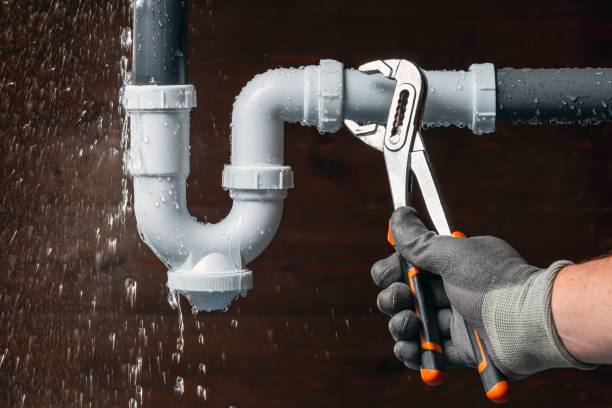
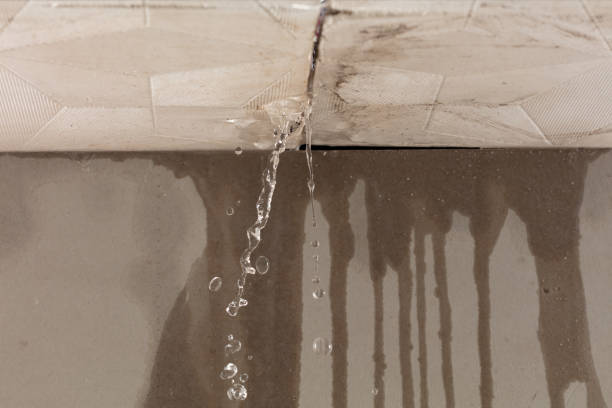
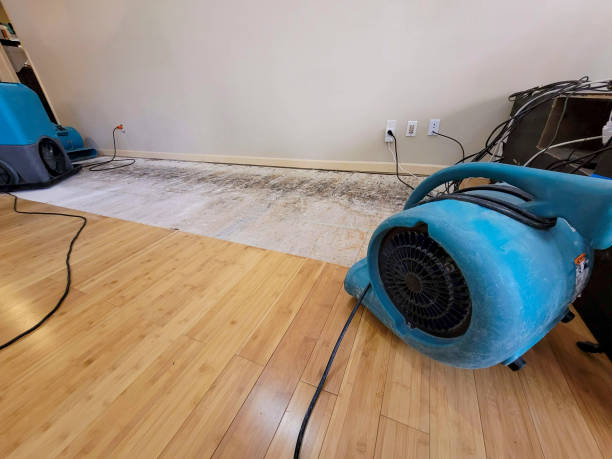
Drying a structure correctly is a science, not a guess. Our Structural Drying And Dehumidification process uses psychrometric readings to place equipment exactly where it's needed, tracked with daily logs.
Call +1-844-833-1325 Now
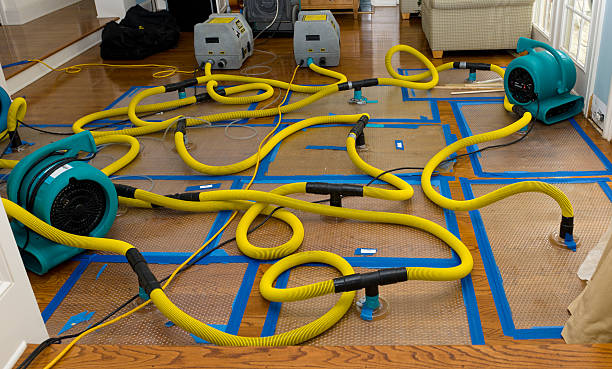
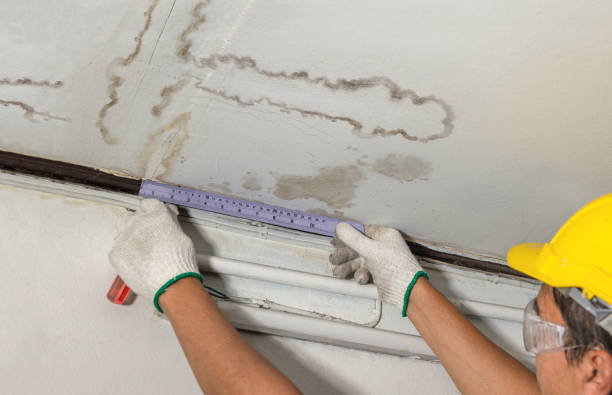
Psychrometric readings — temperature, humidity, and grain depression — tell us exactly how much moisture the air can absorb, which is the actual science behind where we place air movers, not a guess based on how a room looks.
We'd rather explain the structural drying and dehumidification process in plain terms upfront than have you find out the hard way what a shortcut costs later.
These four things matter together, not in isolation — certification, speed, honest pricing, and the right equipment are what actually change the outcome of a structural drying and dehumidification call.
None of these standards are unique to us in theory, but they're worth confirming before you let anyone start structural drying and dehumidification work on your property.

Air mover and dehumidifier placement follows actual humidity and temperature readings, not a default pattern.
Every drying job gets tracked with daily readings, giving you documented proof of progress.
Low-grain-refrigerant dehumidifiers handle humidity levels that standard consumer units can't touch.
We re-test every affected area before calling the drying phase complete.
Every piece of structural drying and dehumidification work below follows the same documentation standard, whether it's a small job or a larger one.

This data drives equipment placement instead of guessing based on how a room looks.
Air movers get positioned to create optimal airflow patterns across wet materials, not just pointed at the wall.
LGR units pull moisture from the air faster than standard dehumidifiers, especially in high-humidity conditions.
Monitoring continues even after materials look dry, since surface dryness doesn't mean full drying.
Thermal cameras catch hidden moisture pockets inside walls and under flooring that a surface check would miss.
Documentation includes daily readings, equipment placement, and the final verification numbers.
This is the same sequence every structural drying and dehumidification job follows, regardless of size.
You call +1-844-833-1325 and a live dispatcher takes the details of your Structural Drying And Dehumidification need, not a voicemail system.
Local staging is what makes rapid arrival possible, rather than a promise with nothing behind it.
The assessment sets the whole plan, so we don't rush it even when the visible damage looks minor.
A job isn't closed on a visual check — it's closed on a verified reading.


"The daily drying log meant we always knew exactly where the job stood."
Carlos V., Omaha"They explained the psychrometric readings in plain terms instead of just handing me a spreadsheet."
Wendy K., Omaha"Thermal imaging at the final check caught a spot that still needed another day of drying."
Marcus T., Omaha"Our office had a slow leak and the LGR dehumidifiers pulled the humidity down faster than I expected."
Angela F., OmahaThese are the questions we hear most often about structural drying and dehumidification, gathered from real calls, not a generic template list.

Aqua Guard Water Damage dispatches structural drying and dehumidification crews throughout Omaha and the surrounding zip codes, including 68118 68182 68183 68105 68108 68178 68164 68111 68122 68127 68124 68022 68110 68112 68114 68117 68116 68144 68137 68135 68134 68132 68131 68130 68102 68106 68107 68104 68154 68152 68101 68103 68109 68119 68139 68145 68172 68175 68176 68179 68180 68197 68198 68136 68138 68142 68157.
Coverage extends past the immediate area, so an outlying Omaha address isn't treated as a lower priority for structural drying and dehumidification.